Decentralized Casino Platforms A Revolution in Online Gambling
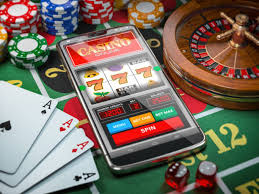
Decentralized Casino Platforms: A Revolution in Online Gambling
The world of online gambling has undergone significant changes in recent years, with decentralized casino platforms emerging as a transformative force. With their promise of transparency, security, and accessibility, these platforms have captured the attention of players and investors alike. One such platform is Decentralized Casino Platforms: Where They Stand Today https://scara-bucks.com, which exemplifies the innovative spirit of this new era of online gaming.
The Concept of Decentralization
Decentralization refers to the redistribution of authority and power from a central entity to a distributed network. In the context of casinos, this means that instead of a single company controlling the platform, the responsibility for operations, governance, and transactions is shared across a network of users. This shift offers numerous advantages over traditional centralized platforms.
Advantages of Decentralized Casino Platforms
1. Transparency
One of the most significant benefits of decentralized platforms is their transparency. All transactions are recorded on a public blockchain, which means players can verify the fairness of games and the legitimacy of payouts. This is a stark contrast to traditional online casinos, where players often have to trust that the house is fair, and outcomes are not manipulated.
2. Security
Decentralized casinos inherently offer increased security due to the elimination of a central point of failure. Data breaches and hacking attempts that plague centralized platforms are significantly less effective against decentralized systems. In addition, players maintain control of their funds, minimizing the risk of losing money to rogue operators.
3. Accessibility
Another benefit of decentralized casino platforms is their accessibility. Anyone with an internet connection can easily participate, often without the need for extensive registration processes. Some platforms even allow players to gamble using cryptocurrencies, which can be particularly appealing in regions where traditional banking systems may restrict access to online gambling.
4. Lower Fees
Decentralized models typically require lower fees compared to traditional casinos. Without the need for a middleman to manage transactions, the costs associated with processing payments can be significantly reduced. This allows platforms to offer better odds and more favorable terms to players.
Challenges Facing Decentralized Casino Platforms
Regulatory Concerns

Despite the many advantages, decentralized casino platforms face significant regulatory challenges. Many countries have strict laws governing online gambling, and adapting to these regulations remains a complex issue for decentralized operators. Compliance with local laws can be particularly difficult, especially when operating on a global scale.
Market Acceptance
Market acceptance of decentralized casinos is another hurdle to overcome. While the concept is gaining traction, many players remain wary of the new technologies involved, such as blockchain and cryptocurrencies. Trust is a critical component of any gaming experience, and decentralized platforms must work hard to build confidence among potential users.
Technical Barriers
Technical barriers can also hinder the widespread adoption of decentralized casinos. Players need a basic understanding of blockchain technology, wallets, and cryptocurrencies to participate fully. Educational initiatives and user-friendly interfaces will be essential to attract a broader audience.
Notable Decentralized Casino Platforms
Several decentralized casino platforms have emerged in recent years, showcasing the innovative potential of this new paradigm. Some notable examples include:
1. FunFair
FunFair is a decentralized casino platform that prioritizes fair play and user engagement. Built on the Ethereum blockchain, it uses smart contracts to ensure transparency and security. Players can enjoy a variety of games while benefiting from lower fees and instant payouts.
2. Edgeless
Edgeless aims to provide an entirely transparent gambling experience by offering a 0% house edge on many of its games. Like FunFair, Edgeless utilizes blockchain technology to enhance fairness and ensure players get the best possible terms.
3. Decentral Games
Decentral Games is another contender in the decentralized gaming space, offering a range of popular casino games integrated into the metaverse. By allowing players to interact in virtual environments, Decentral Games combines gaming entertainment with the advantages of decentralized technology.
The Future of Decentralized Casinos
As the adoption of decentralized technologies continues to grow, so too will the presence of decentralized casino platforms. Increasing awareness among players regarding the benefits of transparency and security will likely drive players towards these alternatives. Furthermore, advancements in technology will simplify the user experience, making it more accessible to the general public.
Conclusion
The evolution of decentralized casino platforms represents a seismic shift in the online gambling industry. By offering enhanced transparency, security, and accessibility, these platforms have the potential to revolutionize how players experience gaming. Though challenges remain, the future looks promising as more players and developers embrace this innovative approach to gambling.
